
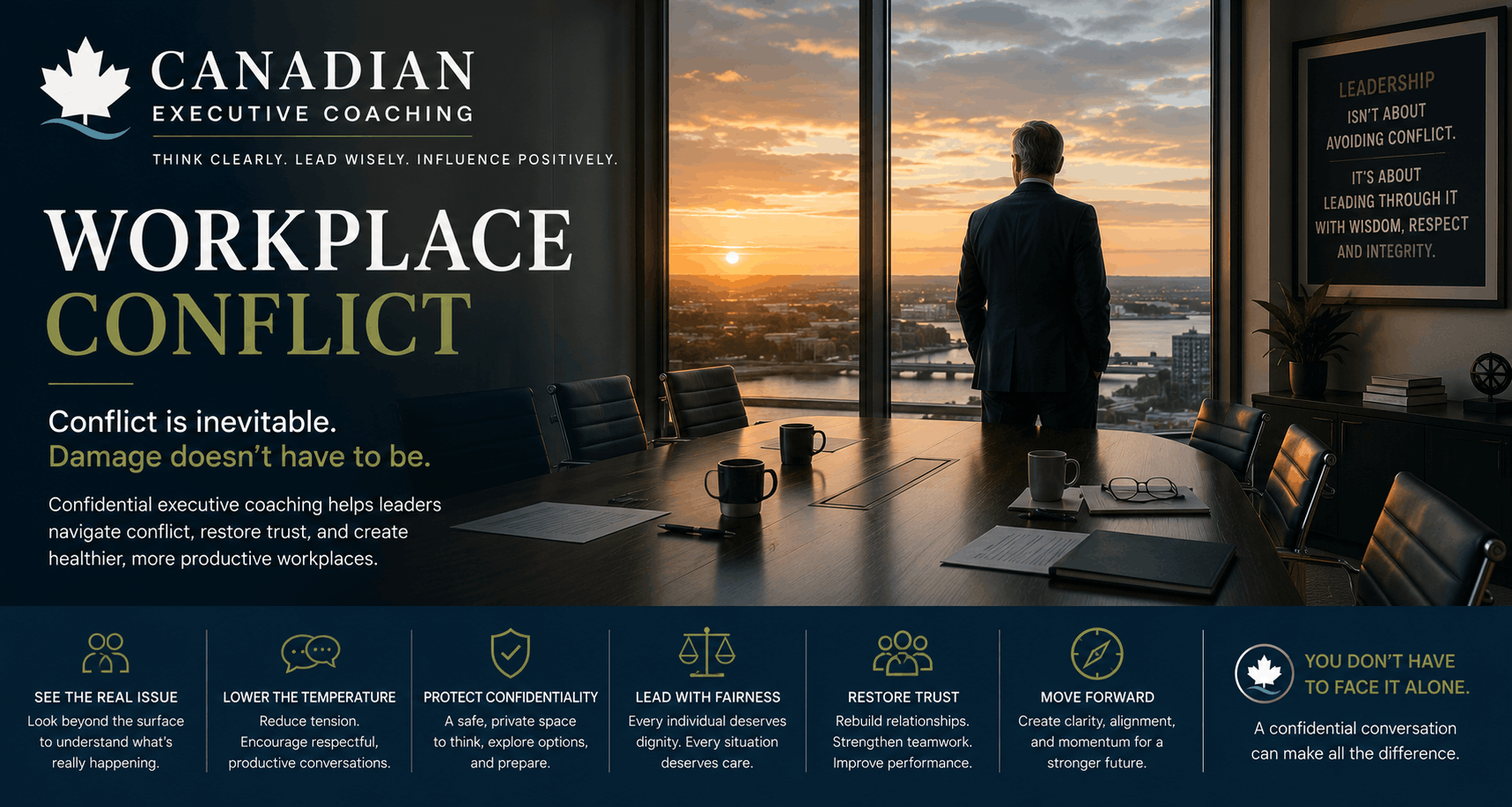
Conflict Doesn’t Have to Define Your Organization
Conflict is a natural part of working with people.
- Different personalities.
- Different priorities.
- Different communication styles.
- Different expectations.
Handled well, conflict can lead to better understanding, stronger relationships, and improved performance.
Handled poorly, it drains energy, damages trust, and distracts people from the work that matters most.
When Conflict Becomes the Problem
Not every disagreement requires intervention.
However, when conflict begins to affect morale, productivity, customer service, or organizational culture, leaders need to respond.
Common warning signs include:
- Ongoing tension between individuals or teams
- Communication breaking down
- Declining trust
- Reduced collaboration
- Increased absenteeism
- Higher turnover
- Formal complaints
- HR involvement
- Leaders spending more time managing personalities than leading the organization
These situations rarely improve through avoidance.
Leading Through Conflict
People often assume leadership means having the right answers.
In reality, leadership often begins by asking the right questions.
Executive coaching provides a confidential opportunity to step back, understand what is happening beneath the surface, and consider thoughtful responses before taking action.
Sometimes the visible disagreement is only a symptom of deeper issues.
Lowering the Temperature
One of the leader’s most valuable contributions is helping reduce emotional intensity.
When people feel heard and respected, productive conversations become more likely.
The objective is not simply to settle disputes.
It is to create conditions where people can work together more effectively.
Respect. Clarity. Fairness. Consistency.
Coaching Leaders, Not Taking Sides
Executive coaching is not about choosing winners and losers.
It is about helping leaders think clearly, communicate effectively, and respond wisely.
- Every situation deserves careful consideration.
- Every individual deserves dignity.
- Every organization deserves thoughtful leadership.
Protecting Confidentiality
Conflict can be deeply personal.
Many leaders appreciate having a completely confidential place to think through difficult situations away from workplace pressures.
Together we can explore options, anticipate consequences, and prepare for important conversations while respecting the privacy of everyone involved.
Confidentiality is essential to building trust.
Positive Influence During Difficult Times
Organizations remember how leaders respond during conflict.
Leaders who remain calm, fair, and thoughtful create confidence even in challenging circumstances.
Conflict may not always be avoidable.
Lasting damage often is.
Begin with a Confidential Conversation
If workplace conflict is affecting your team, your organization, or your own effectiveness as a leader, executive coaching can provide the perspective and preparation needed to move forward.
Sometimes a thoughtful conversation today prevents much larger problems tomorrow.